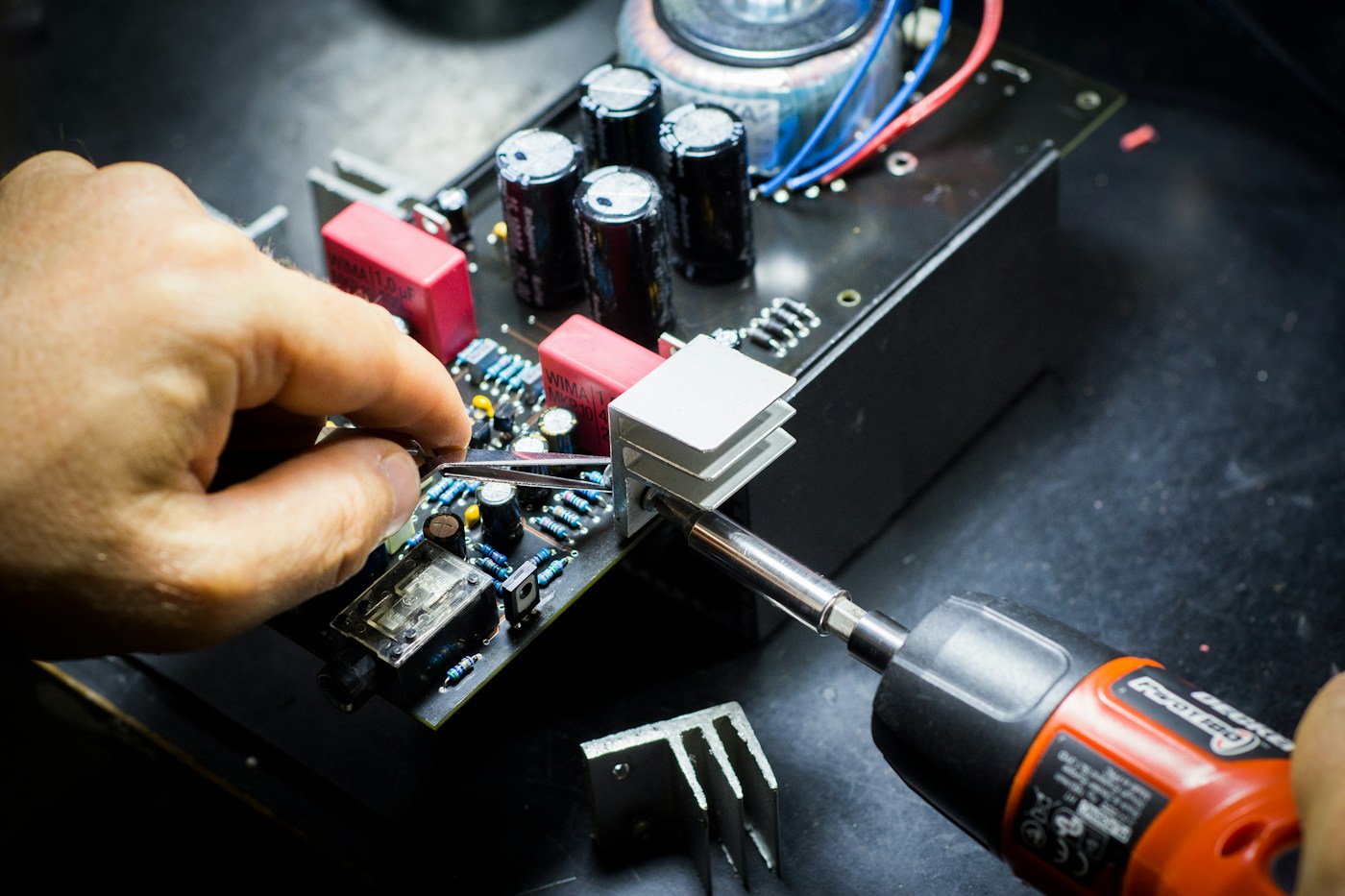
APPLICATION 01
Electrical products
Map standards to safety and functional assessment needs.
UNITED KINGDOM / STANDARDS AND TESTING
Identify the British Standards relevant to your product, distinguish contractual specifications from legal conformity requirements, and prepare a focused evidence plan using the correct standard editions, tests and declared scope.

YOUR MARKETUnited Kingdom
YOUR FOCUSStandards and testing
OUR APPROACHConnected compliance support

01 / THE BIG PICTURE
British Standards provide agreed technical specifications and methods across many industries. BSI acts as the UK’s National Standards Body; a BS reference may be a national standard or an adoption of a European or international document.
Following a standard, obtaining a test report and earning a certification mark are different outcomes. There is no universal BS certificate for all products. A practical project defines the exact standard, product configuration, purpose of the assessment and type of evidence the customer or regulatory route needs.
Explore the requirements02 / WHERE IT APPLIES
Start with your product’s intended use and category. Here are some of the applications covered in this service.
Map standards to safety and functional assessment needs.
Check sector rules and the precise intended product claim.
Convert buyer specifications into traceable test evidence.
These are examples. The applicable route depends on your product specifications and target market.
03 / THE PATH FORWARD
Move from the first assessment to a documented compliance plan, with clear responsibilities and evidence for your product.
Identify the legal, contractual or voluntary requirement.
Confirm scope, edition and designation where relevant.
Agree evidence, samples and test conditions.
Keep statements and changes aligned with the evidence.
One connected workflow, with your product at the center.
Create your product brief04 / EXPLORE THE DETAILS
Open a topic for guidance on scope, requirements, documentation and practical considerations.
6 topics in this guide
Clarify whether the requirement comes from legislation, a buyer specification, a tender or a voluntary certification scheme. Ask for the complete designation and edition instead of relying on a broad request for British approval. This distinction prevents a useful test report being misrepresented as a wider market authorisation.
Check the standard’s title, scope, amendments and current status. Prefixes such as BS EN or BS EN ISO indicate adoption relationships, but the exact edition still matters. Obtain authorised access to the required text and identify any national notes relevant to the intended assessment.
For many GB product regimes, designated standards offer a presumption of conformity for the requirements they cover. They do not replace the legislation, and notices can include limitations or transition dates. Review the designated reference rather than assuming that every published British Standard has that legal status.
Prepare a clause-by-clause assessment matrix containing the applicable requirement, evidence type and responsible party. Distinguish design review, measurement and destructive testing. Clarify specimen preparation, conditioning and variant selection with the laboratory so the resulting report answers the intended product question.
A report should identify the tested model, edition and limitations. If a certification scheme or mark is required, confirm the scheme owner and assessment process separately. Do not use a BSI or certification mark merely because a laboratory has tested against a British Standard.
Link each tested configuration to its drawings, material specification and manufacturing controls. When a standard changes, review the differences and relevant transition arrangements before commissioning a full repeat programme. Product changes should be checked against affected clauses, with the resulting decisions retained in the compliance file.
Try “testing”, “documents” or “process”.
Requirements vary by product, intended use and market. Confirm the applicable standards and current regulatory route before proceeding.
05 / A LITTLE MORE CLARITY
Practical answers to common questions about BS Standards Compliance.
Many are voluntary, although legislation, regulated sectors or contracts can give particular standards specific obligations or significance.
No. A Kitemark is a separate certification scheme with its own authorisation and continuing requirements.
Not necessarily. Check the government designation notice and any transition or restriction.
It may support it where the adopted text, edition, deviations and tested construction are relevant; review the actual scope.
KEEP YOUR POSSIBILITIES OPEN

Identify applicable European requirements, prepare technical documentation, and coordinate the conformity assessment route for your product.
Organize substance information, safety data sheets, technical dossiers, and chemical compliance requirements across applicable markets.
Build a documented approach to EU restrictions on hazardous substances in electrical and electronic equipment, connecting material evidence, applicable exemptions and product conformity documentation with the design you actually manufacture.
LET’S PLAN WHAT’S NEXT
Turn your product details and ambitions into a clear starting point.
Create my product briefService marks and organization names identify the standards and regulatory topics discussed. They do not indicate certification of, affiliation with, or endorsement of Complise Global.