APPLICATION 01
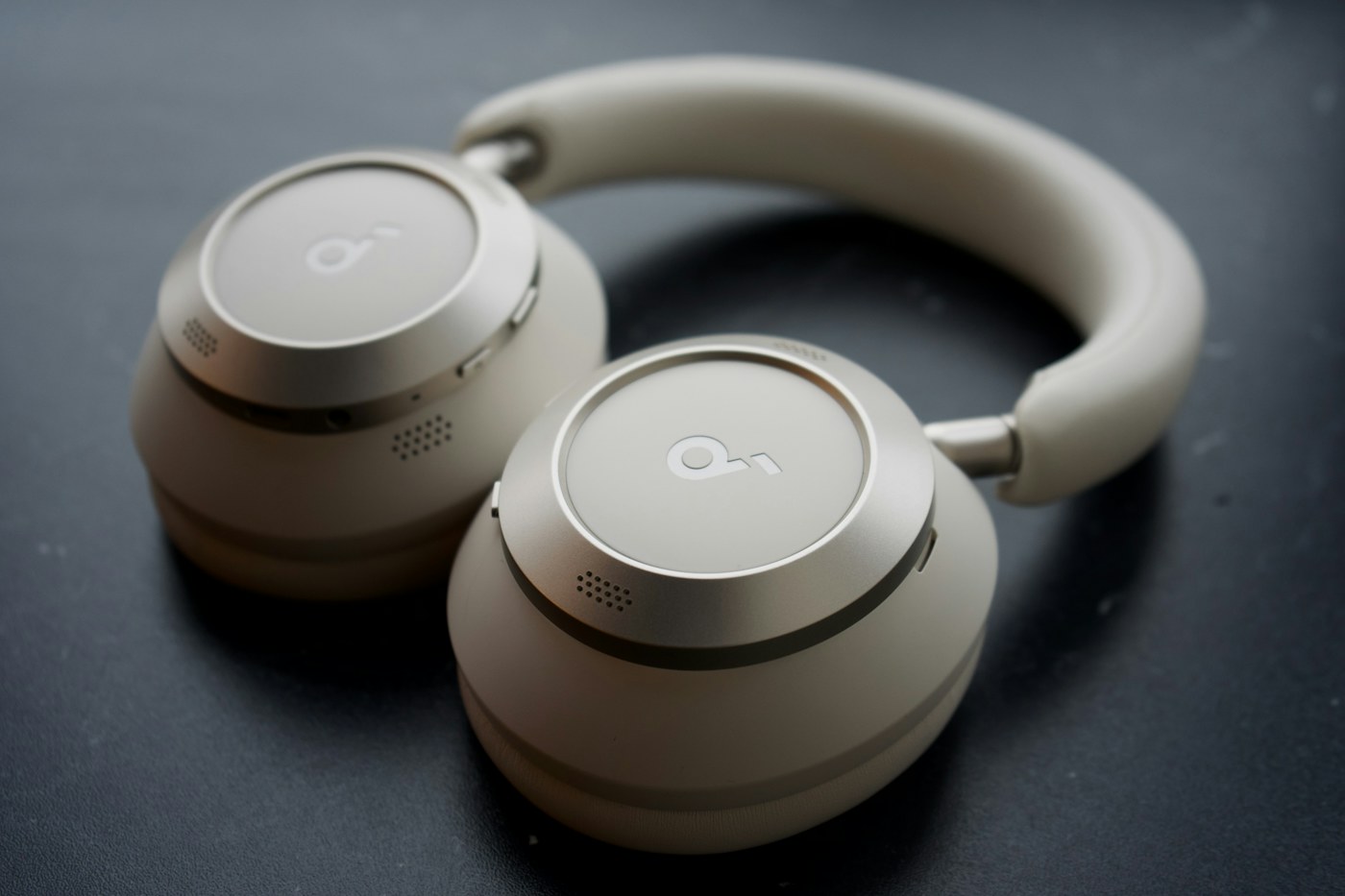
Indoor air cleaners
Review treatment technology, electrical safety and ozone requirements.
UNITED STATES / CALIFORNIA AIR QUALITY
Identify the California Air Resources Board programme relevant to your product, with focused preparation for indoor air-cleaner certification or composite-wood formaldehyde controls, including technical evidence, product identity and appropriate labelling.
YOUR MARKETUnited States
YOUR FOCUSCalifornia air quality
OUR APPROACHConnected compliance support
01 / THE BIG PICTURE
CARB administers several distinct air-quality programmes. A request for CARB certification must first identify the product and regulatory pathway. Air cleaners and composite wood products, for example, are assessed under different rules and do not receive one interchangeable approval.
This guide focuses on indoor air-cleaning devices and regulated composite wood products, two common consumer-product workstreams. Vehicles, engines and other emission-controlled equipment need their own programme-specific assessment. Establishing the route early prevents irrelevant testing and unsupported product claims.
Explore the requirements02 / WHERE IT APPLIES
Start with your product’s intended use and category. Here are some of the applications covered in this service.
Review treatment technology, electrical safety and ozone requirements.
Confirm the applicable panel standard and third-party oversight.
Maintain material sourcing and supply-chain traceability.
These are examples. The applicable route depends on your product specifications and target market.
03 / THE PATH FORWARD
Move from the first assessment to a documented compliance plan, with clear responsibilities and evidence for your product.
Classify the device or wood-product supply role.
Collect design, material and testing information.
Coordinate the applicable CARB or certifier process.
Control labels, changes and supplier status.
One connected workflow, with your product at the center.
Create your product brief04 / EXPLORE THE DETAILS
Open a topic for guidance on scope, requirements, documentation and practical considerations.
6 topics in this guide
Describe the technology, intended use, sales destination and legal manufacturer. For an air cleaner, distinguish portable devices, relevant in-duct designs and any claimed exclusion. For wood products, identify the panel type and the business’s role as a mill, fabricator, importer or seller.
Covered indoor air cleaners require CARB certification for California sale. The programme addresses electrical safety and ozone emissions, with specific testing exclusions for qualifying technologies. A testing exclusion does not automatically remove the certification process; the design documentation must support the claimed basis.
Regulated hardwood plywood, particleboard and medium-density fibreboard are subject to formaldehyde emission controls. CARB-approved third-party certifiers assess covered panel manufacturers through testing and oversight. Finished furniture businesses should establish the status and traceability of the panels they purchase rather than claiming that a mill certificate covers every finished-product duty.
Match laboratory and certifier records to the actual design or material. For air cleaners, preserve the electrical and treatment-system configuration. For composite wood, maintain supplier, panel type and batch connections. Review substitutions before use, especially when changes could affect emissions or the basis of an exemption.
Follow the relevant programme’s required wording and approved product identification. CARB air-cleaner certification addresses regulatory ozone and safety requirements; it should not be presented as a general endorsement of purification effectiveness or health claims. Composite-wood claims likewise need to match the relevant material and supply-chain evidence.
Keep a controlled list of certified devices or qualified material sources. Monitor changes to models, suppliers and production arrangements, and consult the applicable programme before relying on an existing decision for a revised product. Preserve the evidence needed to answer distributor and enforcement enquiries accurately.
Try “testing”, “documents” or “process”.
Requirements vary by product, intended use and market. Confirm the applicable standards and current regulatory route before proceeding.
05 / A LITTLE MORE CLARITY
Practical answers to common questions about CARB Certification.
No. CARB programmes have different scopes, assessments and documentation.
Not necessarily. A qualifying ozone-test exclusion is different from an exemption from certification.
It should not be represented as a general performance or medical endorsement.
No. The finished-product business must assess its own sourcing, traceability, labelling and related regulatory duties.
KEEP YOUR POSSIBILITIES OPEN

Navigate U.S. radio and electromagnetic compatibility requirements with product assessment, testing coordination, and equipment authorization support.
Support for facility registration, product listing, U.S. Agent services, and regulatory planning for food, medical devices, cosmetics, and pharmaceuticals.

Prepare electrical, electronic, industrial, and consumer products for independent safety evaluation and North American market acceptance.
LET’S PLAN WHAT’S NEXT
Turn your product details and ambitions into a clear starting point.
Create my product briefService marks and organization names identify the standards and regulatory topics discussed. They do not indicate certification of, affiliation with, or endorsement of Complise Global.