
APPLICATION 01
Wireless consumer equipment
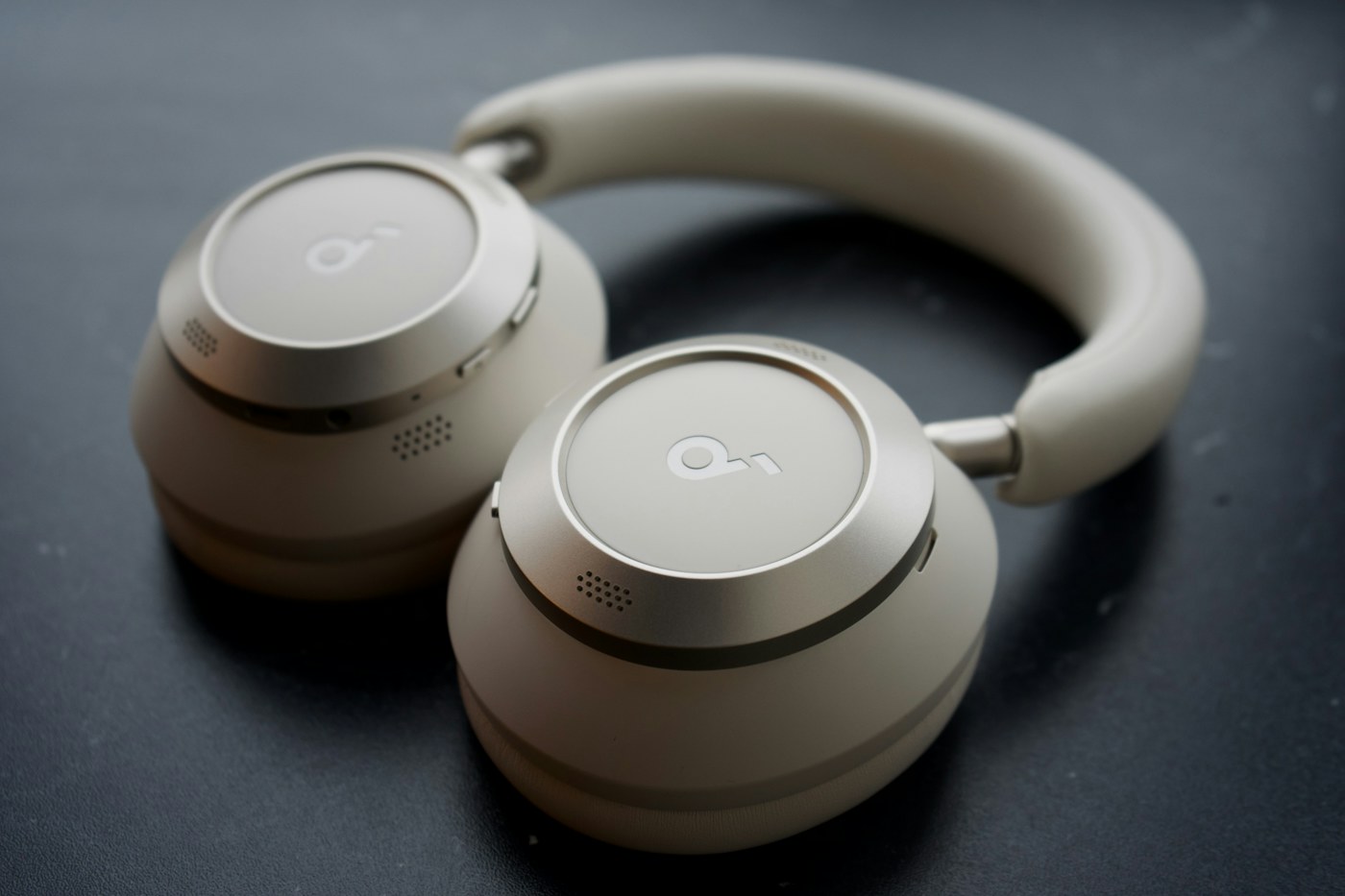
Review radio bands, power settings and the applicable conformity class.
THAILAND / RADIO AND TELECOM
Prepare Thailand radio and telecommunications equipment for the applicable NBTC conformity route, with clear classification, accepted technical evidence, local operating parameters and consistent product identification for market release.
YOUR MARKETThailand
YOUR FOCUSRadio and telecom
OUR APPROACHConnected compliance support
01 / THE BIG PICTURE
Thailand’s National Broadcasting and Telecommunications Commission, or NBTC, establishes requirements for covered telecommunications and radio equipment. Its conformity framework includes registration, certification and supplier declaration mechanisms for different equipment classes. A product’s technical characteristics determine the route rather than the general term “wireless approval.”
Begin with the intended Thai configuration: radio bands, power, antennas, network functions and operating conditions. A device sold internationally may need a different regional setup. The compliance plan should also distinguish equipment conformity from any separate permission associated with importation, possession, network operation or spectrum use.
Explore the requirements02 / WHERE IT APPLIES
Start with your product’s intended use and category. Here are some of the applications covered in this service.
Review radio bands, power settings and the applicable conformity class.
Assess telecommunications interfaces and supporting technical evidence.
Coordinate embedded radios, operating conditions and product documentation.
These are examples. The applicable route depends on your product specifications and target market.
03 / THE PATH FORWARD
Move from the first assessment to a documented compliance plan, with clear responsibilities and evidence for your product.
Confirm the NBTC category, technical standards and submission route.
Align radio parameters, samples and accepted technical evidence.
Prepare applicant documents and resolve classification or technical queries.
Check identification, user information and continuing configuration controls.
One connected workflow, with your product at the center.
Create your product brief04 / EXPLORE THE DETAILS
Open a topic for guidance on scope, requirements, documentation and practical considerations.
6 topics in this guide
Check the current NBTC notifications and technical standards for the equipment. The published framework distinguishes Class A registration, Class B certification and equipment subject to a Supplier’s Declaration of Conformity. Keep the classification decision explicit so the applicant does not prepare the wrong form of evidence or submission.
Prepare a matrix of frequency bands, channel widths, output power and antenna configurations. Identify features that must be disabled or restricted for the Thai market. A practical engineering review should confirm that the final firmware and user settings preserve the configuration on which the conformity assessment is based.
Confirm the applicable radio, EMC, electrical safety or human exposure criteria for the equipment category. Review whether existing reports cover the correct modes and accepted test arrangements. For portable or body-used products, examine the relevant exposure assessment requirements rather than assuming that a low-power description is enough.
Organize company information, manufacturer authorization, specifications, manuals and required reports for the selected route. Reconcile the brand and model across each document. For several variants, prepare a comparison explaining which differences affect compliance so the assessment scope is understandable before formal review begins.
Review current product identification and any required compliance statements for the applicable route. NBTC guidance describes marking and user information obligations that differ by assessment mechanism. Prepare artwork from the final assessment details, then check the product, package and manual together before approving commercial printing.
Changes to radio modules, antennas or software settings should trigger a conformity review. Keep separate operating and spectrum conditions visible to installers and distributors. Coordinate TISI or other applicable product requirements where relevant, because NBTC conformity does not automatically settle every safety or import requirement for a connected product.
Try “testing”, “documents” or “process”.
Requirements vary by product, intended use and market. Confirm the applicable standards and current regulatory route before proceeding.
05 / A LITTLE MORE CLARITY
Practical answers to common questions about NBTC Approval.
No. Registration, certification and supplier declaration mechanisms apply to different equipment classes.
Possibly, subject to the relevant standard, report scope and NBTC acceptance conditions.
No. Equipment settings and spectrum or operating permissions must fit Thai requirements.
No. A product may have separate industrial standards or safety obligations that need their own review.
KEEP YOUR POSSIBILITIES OPEN
Map Japan’s radio and telecommunications requirements into one coordinated plan, distinguishing Radio Act conformity from terminal equipment obligations and identifying the assessment scope needed for the complete connected product.
Coordinate Malaysia’s communications equipment conformity route, connecting MCMC technical requirements, SIRIM QAS certification services, product identification and applicable import arrangements for the complete wireless or telecommunications product.
Prepare Indonesian telecommunications equipment conformity applications under the current Komdigi structure, clarifying the legacy SDPPI name and aligning product scope, accepted test evidence, applicant details and certification records.
LET’S PLAN WHAT’S NEXT
Turn your product details and ambitions into a clear starting point.
Create my product briefService marks and organization names identify the standards and regulatory topics discussed. They do not indicate certification of, affiliation with, or endorsement of Complise Global.