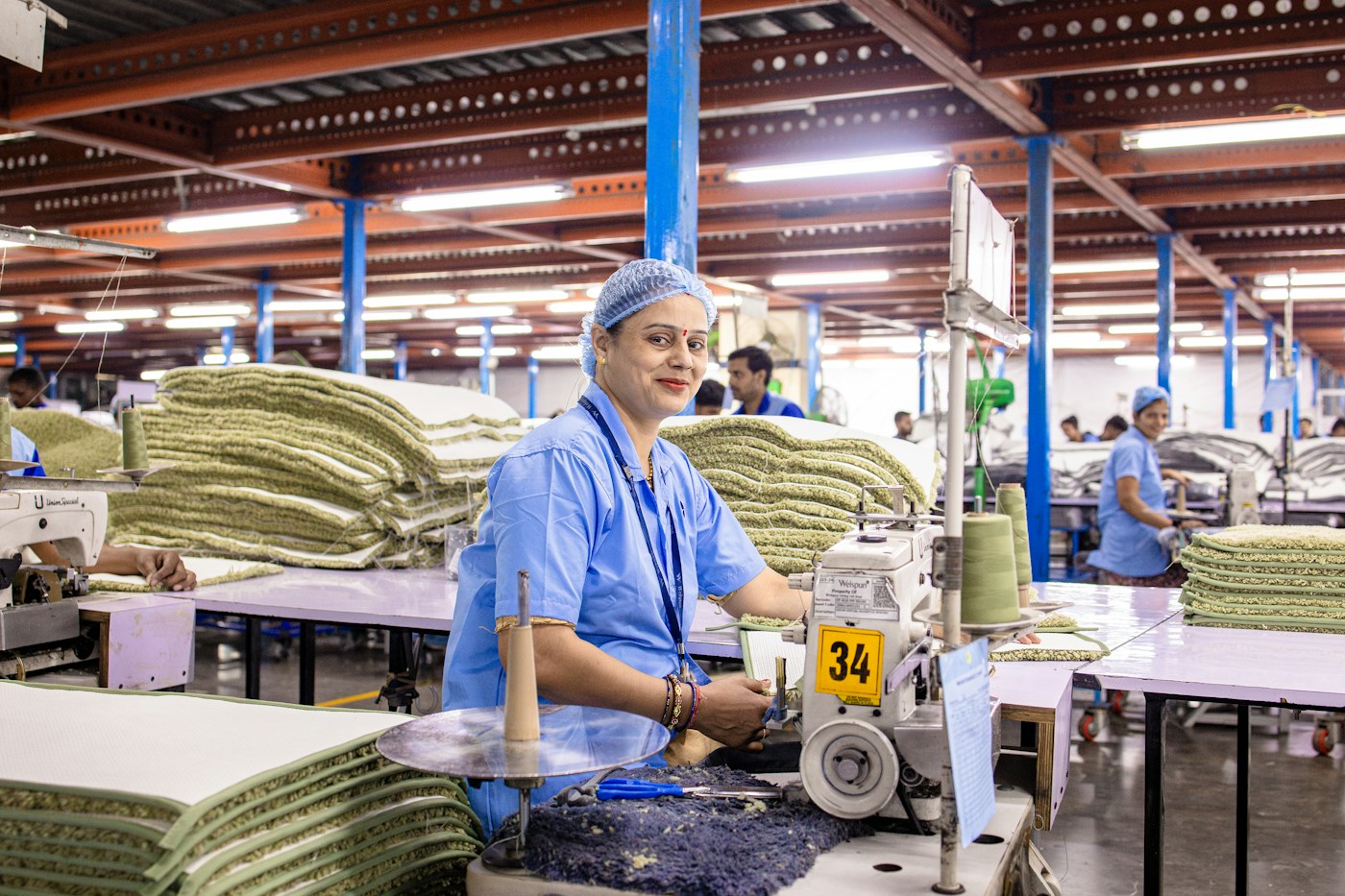
APPLICATION 01
Manufacturing sites
Manage resource use, waste and operational environmental controls.
INTERNATIONAL / ENVIRONMENTAL MANAGEMENT
Organize environmental responsibilities into a working management system covering significant impacts, compliance obligations, operational controls and measurable improvement, with implementation and audit readiness support for the applicable ISO 14001 edition.

YOUR MARKETInternational
YOUR FOCUSEnvironmental management
OUR APPROACHConnected compliance support

01 / THE BIG PICTURE
ISO 14001 provides a framework for managing an organization’s environmental responsibilities. It addresses the environmental aspects the organization can control or influence and supports structured performance improvement. Certification does not declare that a product or business has no environmental impact.
ISO published ISO 14001:2026 in April 2026. Complise Global helps organizations review their environmental context and build practical controls, while existing certificate holders confirm their transition arrangements with the relevant certification body.
Explore the requirements02 / WHERE IT APPLIES
Start with your activities, sites and customer expectations. Here are some of the organizations and operations covered by this service.
Manage resource use, waste and operational environmental controls.
Connect purchasing and daily activities with environmental objectives.
Create consistent responsibilities while recognizing local impacts.
These are examples. The scope depends on your activities, sites and the selected standard or programme.
03 / THE PATH FORWARD
Connect scope review, implementation and assessment with a plan suited to your organization.
Map scope, aspects and obligations.
Assign actions and operational responsibilities.
Review data, audits and corrective action.
Prepare certification or transition evidence.
One connected workflow, with your organization at the center.
Create your project brief04 / EXPLORE THE DETAILS
Open a topic for guidance on scope, requirements, documentation and practical considerations.
6 topics in this guide
Map the sites, activities and outsourced interfaces covered by the system. The boundary should make sense operationally and should not conceal significant responsibilities. Start with a clear view of what happens at each location and who controls the decisions.
Review how activities interact with the environment, including resource use and releases. Consider the relevant life cycle perspective rather than looking only inside the factory fence. Prioritize the aspects that need defined controls and reliable evidence.
Create a usable record of applicable environmental obligations and responsible owners. Translate permit conditions or other commitments into tasks that staff can perform and verify. Certification preparation should work alongside, rather than replace, the organization’s legal compliance process.
Identify the practices that prevent uncontrolled impacts during normal work and foreseeable changes. Explain what happens when equipment fails or a contractor deviates from instructions. Use operating records to demonstrate that the controls are followed and maintained.
Choose objectives connected to significant aspects and available data. Review trends, incidents and corrective actions with management. Internal audits should test the effectiveness of the controls, including whether staff understand their environmental responsibilities.
An independent certification body assesses the defined system. For existing certificates, confirm the transition timetable and update plan instead of assuming a publication date invalidates earlier certificates. We help coordinate gap assessment, documentation and implementation evidence.
Try “testing”, “documents” or “process”.
Requirements depend on the scope, sites and programme. Confirm the applicable standard, assessment route and current scheme rules before proceeding.
05 / A LITTLE MORE CLARITY
Practical answers to common questions about ISO 14001 Environmental Management.
No. ISO 14001 concerns an environmental management system. Product-specific environmental claims need their own substantiation.
Yes. The framework can be applied to organizations of different sizes and activities, with controls suited to their impacts.
Yes. The current edition was published in April 2026. Certificate transition arrangements should be confirmed with the certification body.
An external certification body performs certification. ISO develops the standard and does not certify the organization.
KEEP YOUR POSSIBILITIES OPEN
Use the IECEE CB Scheme to support recognition of electrical product safety test results across participating markets.

Prepare for ethical trade audits covering labour standards, health and safety, environmental performance, and business ethics.
Build a practical quality management system around customer requirements, controlled processes and continual improvement, with support for implementation, audit readiness and certification planning against the applicable ISO 9001 edition.
LET’S PLAN WHAT’S NEXT
Turn your project details and ambitions into a clear starting point.
Create my project briefService marks and organization names identify the standards and regulatory topics discussed. They do not indicate certification of, affiliation with, or endorsement of Complise Global.