
APPLICATION 01
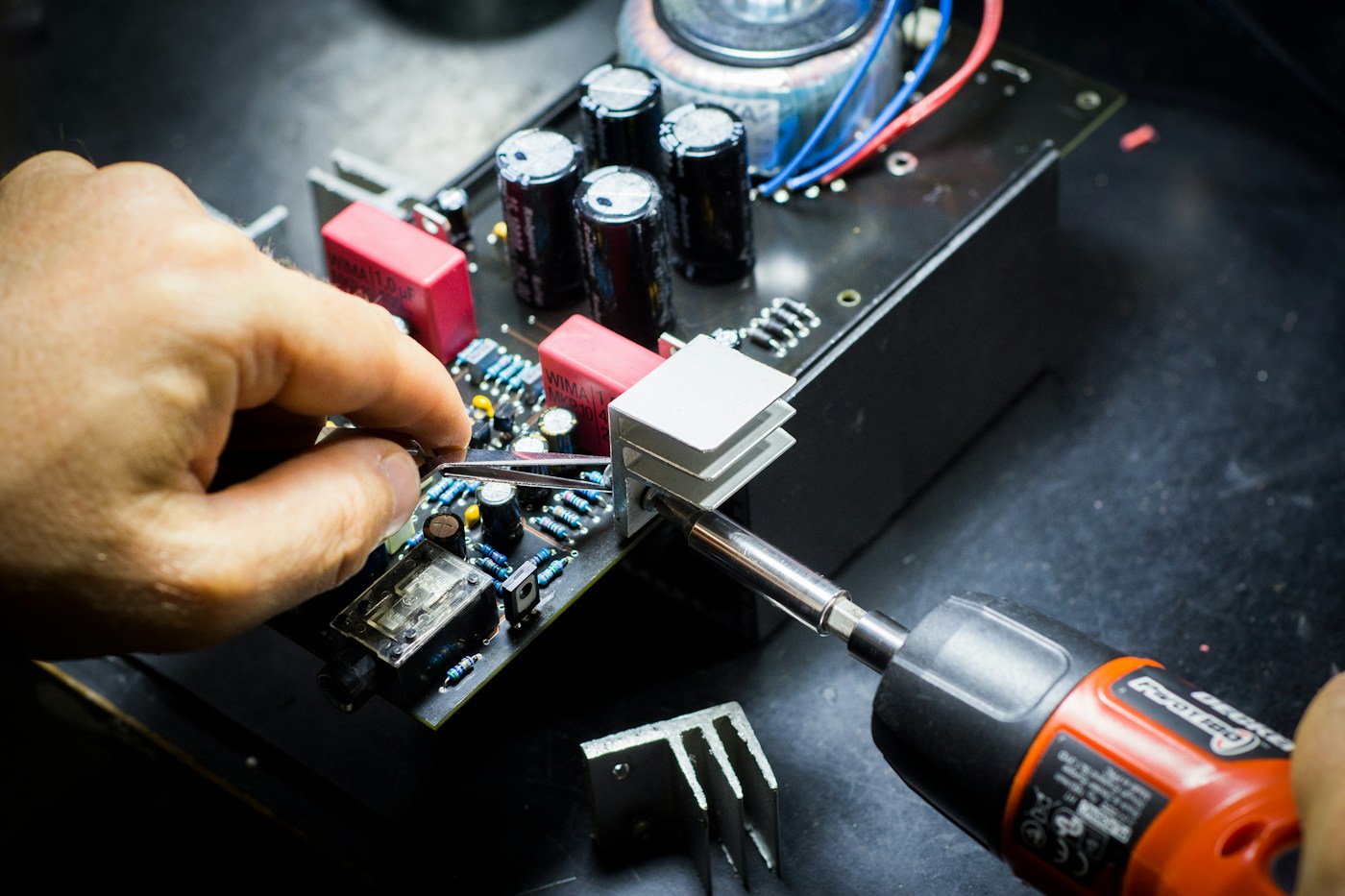
Power supplies and chargers
Review insulation, ratings, components and the intended equipment connection.
AUSTRALIA & NEW ZEALAND / ELECTRICAL SAFETY
Prepare electrical products for an SAA safety assessment, with clear model coverage, applicable Australian and New Zealand standards, complete technical reports and a practical plan for the remaining market obligations.
YOUR MARKETAustralia & New Zealand
YOUR FOCUSElectrical safety
OUR APPROACHConnected compliance support

01 / THE BIG PICTURE
SAA Approvals is an independent electrical product certification body. Its safety certificates can support the Australian regulatory pathway for equipment within the certificate’s scope. SAA is a certification organization, while RCM is a regulatory compliance mark; the two should not be treated as interchangeable approvals.
The value of a well-prepared application is precise coverage. Product ratings, construction, critical components and the proposed model family should agree across the reports and application. Separate work may still be needed for EMC, radio functions, supplier registration, energy efficiency or other rules applying to the finished product.
Explore the requirements02 / WHERE IT APPLIES
Start with your product’s intended use and category. Here are some of the applications covered in this service.
Review insulation, ratings, components and the intended equipment connection.
Map the luminaire or controlgear construction to the applicable safety standards.
Prepare model-specific evidence for electrical and mechanical safety review.
These are examples. The applicable route depends on your product specifications and target market.
03 / THE PATH FORWARD
Move from the first assessment to a documented compliance plan, with clear responsibilities and evidence for your product.
Identify product category, market requirements and applicable safety standards.
Reconcile technical reports, components and proposed model variants.
Prepare the application and address the certifier’s technical questions.
Review certificate details, release artwork and control future changes.
One connected workflow, with your product at the center.
Create your product brief04 / EXPLORE THE DETAILS
Open a topic for guidance on scope, requirements, documentation and practical considerations.
6 topics in this guide
Start with intended use, supply voltage, installation method and accessible parts. Select the relevant Australian or New Zealand safety standard and examine national differences. Confirm whether the product needs a particular regulatory approval before assuming that a voluntary certificate satisfies the market requirement.
SAA describes its role as a JAS-ANZ accredited certification body and a recognized external approval provider. The certificate records an assessment against specified standards; it does not represent unrestricted approval of every product made by the same manufacturer or sold under the same brand.
A useful technical review compares the report photographs, schematics, ratings and component list with current production. Identify missing national deviations and unresolved test observations early. A report for an earlier design can create avoidable questions if the applicant cannot explain what changed and why.
Organize the safety report, drawings, label artwork, instructions and applicant authorizations as a single controlled package. Explain alternative critical components and manufacturing sites clearly. The certifier should be able to trace each requested model designation to the evidence without relying on informal commercial descriptions.
SAA’s Type Test Scheme evaluates representative samples and does not itself include ongoing manufacturing surveillance. Continued conformity remains important: suppliers should maintain production controls, manage changes and follow certificate conditions. Certification scope must be reconsidered when construction or safety-critical components change.
Before shipment, confirm the applicable RCM and supplier obligations and any additional product rules. Check that the sales model matches the certificate, that instructions reflect the tested construction and that artwork makes accurate claims. Build a renewal and change review calendar around the actual certificate conditions.
Try “testing”, “documents” or “process”.
Requirements vary by product, intended use and market. Confirm the applicable standards and current regulatory route before proceeding.
05 / A LITTLE MORE CLARITY
Practical answers to common questions about SAA Certification.
No. SAA Approvals is a certification body that provides electrical safety assessment services.
No. Supplier registration, declarations, markings and other applicable rules must still be addressed.
SAA’s Type Test Scheme does not itself include ongoing surveillance; review the scheme and certificate conditions.
Potentially, where the certifier accepts the family and the evidence adequately explains each construction difference.
KEEP YOUR POSSIBILITIES OPEN
Prepare covered electrical products for Japan’s PSE requirements, with a clear distinction between specified and non-specified equipment, technical conformity evidence, responsible operator duties and the correct product marking.

Coordinate safety, EMC, and wireless compliance requirements for electrical and electronic products entering South Korea.

Identify Taiwan conformity assessment requirements, prepare technical records, and coordinate testing against applicable CNS standards.
LET’S PLAN WHAT’S NEXT
Turn your product details and ambitions into a clear starting point.
Create my product briefService marks and organization names identify the standards and regulatory topics discussed. They do not indicate certification of, affiliation with, or endorsement of Complise Global.