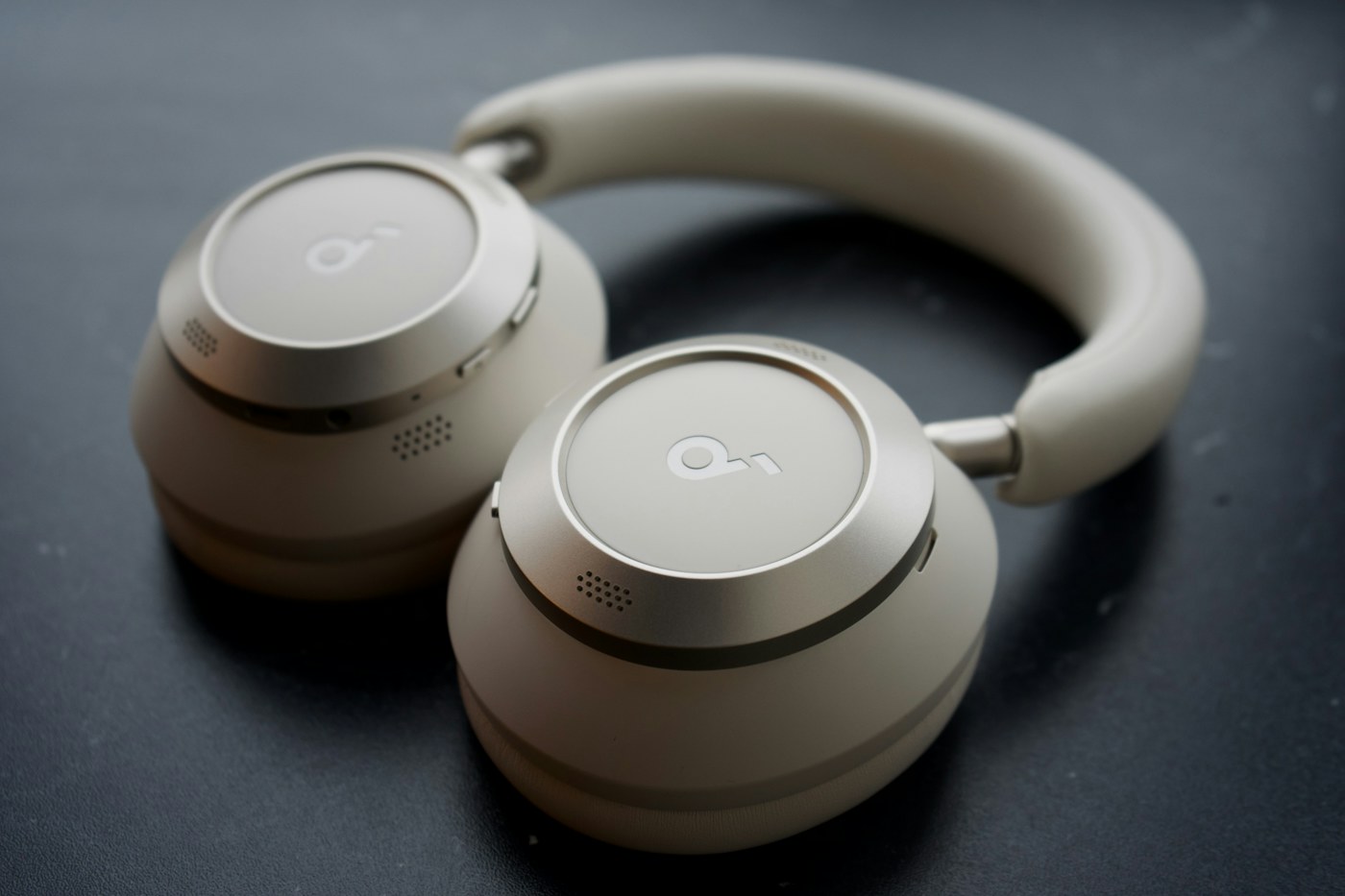
APPLICATION 01
Household appliances
Review category, risk level and the applicable safety evidence.
SINGAPORE / CONSUMER SAFETY
Prepare Singapore Controlled Goods for SAFETY Mark registration, with product risk classification, accepted safety evidence, supplier registration and model-specific artwork aligned before advertising or supplying the covered equipment.
YOUR MARKETSingapore
YOUR FOCUSConsumer safety
OUR APPROACHConnected compliance support

01 / THE BIG PICTURE
Singapore’s Consumer Protection (Safety Requirements) Regulations cover defined categories of household electrical, electronic and gas appliances and accessories. These Controlled Goods require the applicable safety evidence, registration and SAFETY Mark before advertising for supply or supply. Products outside those categories should be assessed under the relevant alternative rules.
The Consumer Product Safety Office, or CPSO, is now an office of the Competition and Consumer Commission of Singapore. A well-planned application starts with the current Controlled Goods classification and the registered supplier, then connects each commercial model to the appropriate conformity evidence and registration record.
Explore the requirements02 / WHERE IT APPLIES
Start with your product’s intended use and category. Here are some of the applications covered in this service.
Review category, risk level and the applicable safety evidence.
Clarify registration coverage for adapters, plugs and related controlled goods.
Assess the applicable category and its product-specific safety requirements.
These are examples. The applicable route depends on your product specifications and target market.
03 / THE PATH FORWARD
Move from the first assessment to a documented compliance plan, with clear responsibilities and evidence for your product.
Confirm scope, risk level and the intended Singapore sales model.
Review testing and the required declaration or conformity certificate.
Coordinate supplier details, model information and CPSO queries.
Check approved status, SAFETY Mark artwork and ongoing controls.
One connected workflow, with your product at the center.
Create your product brief04 / EXPLORE THE DETAILS
Open a topic for guidance on scope, requirements, documentation and practical considerations.
6 topics in this guide
Compare intended household use, ratings, construction and accessories with the current category definitions. Commercial descriptions are often too broad for classification. Record whether the product itself, an included adapter or both require attention so the resulting mark does not imply coverage that belongs only to an accessory.
CPSO distinguishes lower-risk goods using a Supplier’s Declaration of Conformity from medium- and higher-risk goods requiring a designated conformity assessment body’s Certificate of Conformity. Testing and documentation need to support the applicable route. Establish this before selecting a laboratory or promising a registration schedule.
Check whether the proposed reports meet CPSO’s acceptance arrangements, which include defined CB and accredited or designated laboratory options. Compare tested samples with production, including plugs, cords, adapters and critical safety components. A clear model comparison can prevent different variants from being treated as identical without evidence.
Identify the Singapore registered supplier responsible for the Controlled Goods. Organize entity information, the relevant conformity documents and model details for the current CPSA+ process. Keep a submission tracker that distinguishes draft applications, clarification requests and approved registrations so commercial teams know when release is authorized.
The mark includes a unique eight-digit registration number that connects registered goods with their supplier and model record. Check approved product or packaging placement and the accuracy of the number. Validate the public listing against the actual model rather than relying solely on a printed logo supplied by a factory.
Keep registration status current and review changes to construction, model designations or responsible supplier information. Replacement adapters and alternative components deserve particular attention. The SAFETY Mark route should be coordinated with separate IMDA requirements for wireless or telecom functions and other rules applicable to the finished consumer product.
Try “testing”, “documents” or “process”.
Requirements vary by product, intended use and market. Confirm the applicable standards and current regulatory route before proceeding.
05 / A LITTLE MORE CLARITY
Practical answers to common questions about SAFETY Mark Registration.
No. The mark applies to the defined Controlled Goods categories, not to all consumer goods.
The evidence route depends on risk classification; lower-risk goods can follow the applicable supplier declaration route.
Not automatically. Identify exactly which item and model the registration covers.
Use the official Controlled Goods register and compare the model or eight-digit registration number with the supplied product.
KEEP YOUR POSSIBILITIES OPEN

Coordinate safety, EMC, and wireless compliance requirements for electrical and electronic products entering South Korea.

Identify Taiwan conformity assessment requirements, prepare technical records, and coordinate testing against applicable CNS standards.

Prepare telecommunications, radio, wireless, and IoT products for Singapore equipment registration and relevant supplier requirements.
LET’S PLAN WHAT’S NEXT
Turn your product details and ambitions into a clear starting point.
Create my product briefService marks and organization names identify the standards and regulatory topics discussed. They do not indicate certification of, affiliation with, or endorsement of Complise Global.